Jasmine
· Product · 4 min read
Among countless flowers, jasmine is widely cherished for its distinctive fragrance, long cultivation history, and diverse applications. This petite yet elegant blossom not only adds aroma and refinement to everyday life, but also—through its characteristic scent profile and natural constituents—offers new directions for innovation in textile fabrics and finishing processes.

A Time-Travel Journey Through Jasmine Fragrance: A Fragrant Path from Ancient to Modern Times
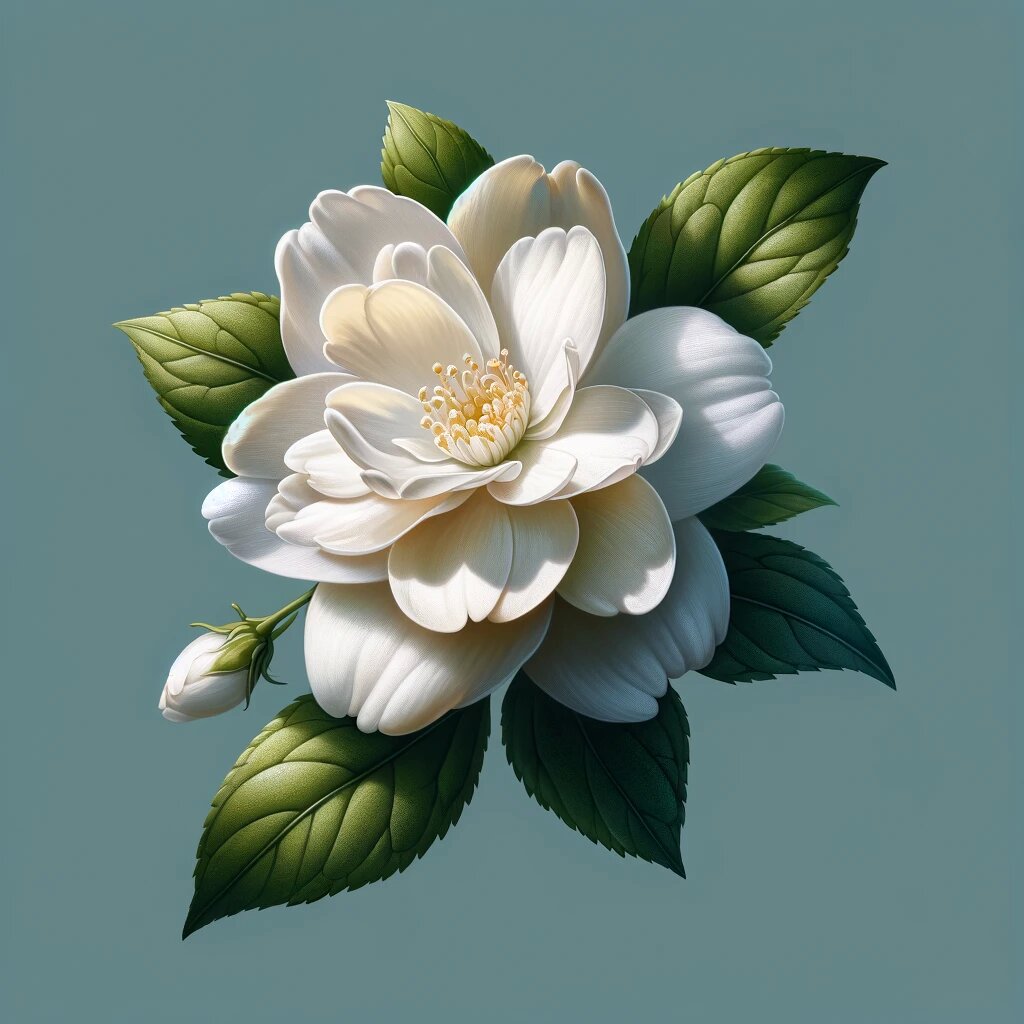
Jasmine (Jasminum spp.) belongs to the Oleaceae family and is commonly grown for garden ornamentation and cultivation uses, renowned for its pure white blooms and rich fragrance. Its flowers often open from dusk into the night, releasing an intense yet not overpowering aroma, and have long been widely used in perfumery, tea flavoring, horticultural arrangements, and related cultural ceremonies.
Historical Traces
Jasmine is recorded early in ancient Chinese literature, with related cultivation and uses continuing for thousands of years. It is said to have spread from India to China through Buddhist cultural exchange, and later gradually influenced other parts of Asia and spread to broader regions worldwide. Across the long course of history, jasmine has been both an important source of fragrance and decorative flowers, and has also held a place in various rituals and cultural settings.
Exploring Its Benefits
Beyond its ornamental value, jasmine’s aroma is also regarded as having certain mind–body soothing effects. In traditional practice, jasmine scent has often been used to create a fresh ambiance, ease emotions, and reduce tension1. Modern research has also examined the mechanisms of its volatile components and related natural compounds; some constituents are considered to have mild calming and relaxing effects, which may contribute positively to sleep and mood management2.
Meanwhile, research on jasmine and its extracts continues to advance. Findings suggest jasmine may contain certain antioxidant-related components that could help counter oxidative stress from free radicals, indicating potential application value in areas such as skin condition maintenance3. In addition, some studies have observed activity in inhibiting certain bacteria and viruses, providing reference support for the development of antimicrobial products4.
Jasmine in Modern Life
Jasmine has broad applications: from traditional tea aromatization and perfume blending to modern indoor fragrances, personal care, and household chemical product development. Its scent characteristics and the advantages of its natural constituents have helped it maintain strong market recognition over time. For textile finishing, jasmine extracts can also serve as candidate functional and experiential materials, adding a scent experience and differentiated value to products.
Future Outlook
As consumers place increasing emphasis on natural sourcing, low-burden formulations, and sustainable principles, jasmine and its extracts are expected to find broader application opportunities in textiles, beauty and skincare, and health-related fields. Especially within the textile industry, if scaled application can be achieved on the basis of safety compliance and stable processing performance, it can not only enhance product added value but also align more closely with overall market trends toward environmental friendliness and natural appeal.
This petite, fragrant flower—jasmine—has retained its charm across millennia. From ancient times to the present, its uses have continued to expand and its forms of application have evolved, illustrating a long-standing mutual enrichment between natural resources and modern living. As related technologies and application research deepen, the experiential value and industrial potential carried by jasmine will be explored and presented even more fully.
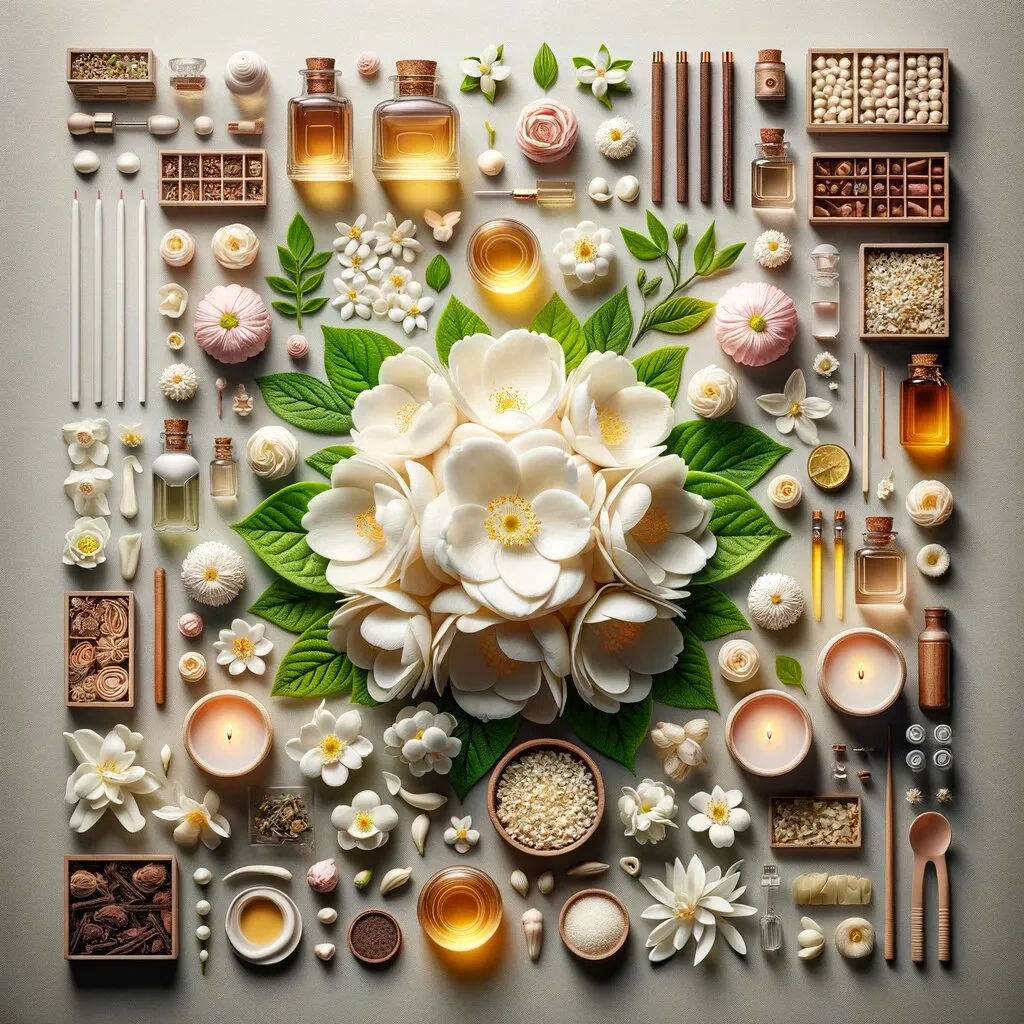
Binyou Jasmine Scent Microcapsules — A Natural Touch, Everyday Luxury
Among jasmine’s many applications, our company has introduced a textile finishing agent based on jasmine extract as the core raw material, aiming to integrate traditional fragrance heritage with modern materials technology and deliver a practical, scalable product solution.
This product uses microencapsulation technology to seal jasmine’s characteristic aromatic components into tiny capsules, allowing them to adhere evenly to the surfaces and fiber structures of various textiles. During wearing, friction, or external force, the microcapsules can rupture and release fragrance, achieving a relatively long-lasting, triggerable scent experience. The design balances safety and environmental responsibility, adapts to multiple fabric systems, and offers a stable, perceptible fragrance value-add option for professional textile applications and end-consumer scenarios.
Footnotes
Zou Yao, Qi Guinian. Study on the hypoglycemic effect of jasmine residue polysaccharides and their role in improving diabetic symptoms [J]. Food Science and Technology, 2011, 36(02):157-160. DOI:10.13684/j.cnki.spkj.2011.02.068. ↩
Wei Yingliang, Liu Zhiping, Ma Jianqiang, et al. Study on the antibacterial activity of flavonoids from jasmine residue [J]. Chemical Technology and Development, 2010, 39(04):8-9+14. ↩
Li Guangxi, Yang Peiquan. Research progress on medicinal plants of the Mirabilis genus [J]. Journal of Guangdong Medical College, 1994, (04):251-253. DOI:10.16809/j.cnki.1006-8783.1994.04.012. ↩
Li Juanhao, Li Mingya, Zhang Dezhi, et al. Study on the hypoglycemic effect of aqueous extracts from Mirabilis roots [J]. Journal of Guangdong Pharmacy College, 2006, (03):299+305. DOI:10.16809/j.cnki.1006-8783.2006.03.027. ↩